Journal
Notes for owners and builders
Business planning tools, raising capital, and what to expect when you work with an investor.
Latest
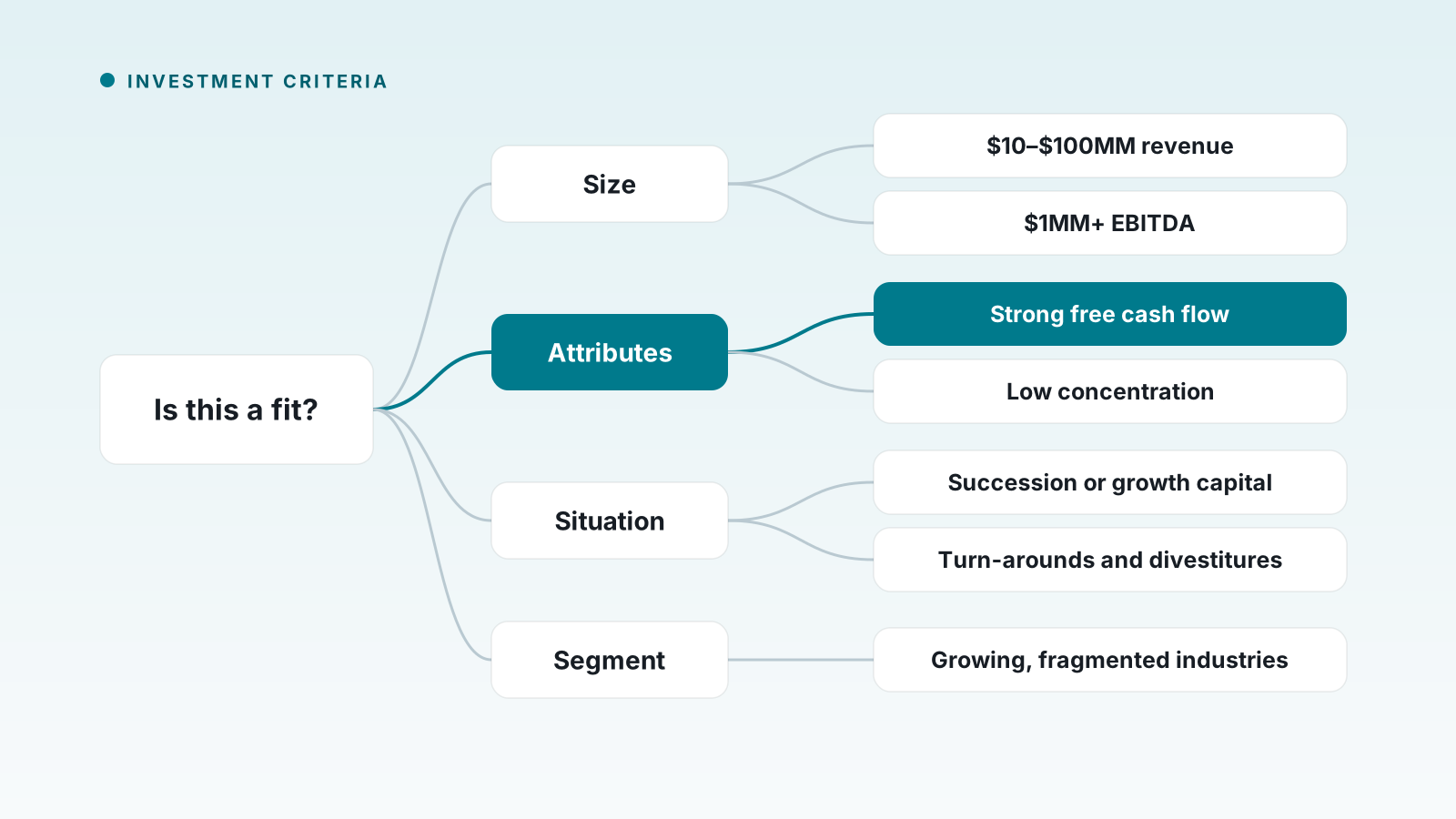
What a middle-market investor looks for
Size is only the first filter. The questions that follow are about cash, concentration, people and the situation the owner is in.
Read the articleAll articles
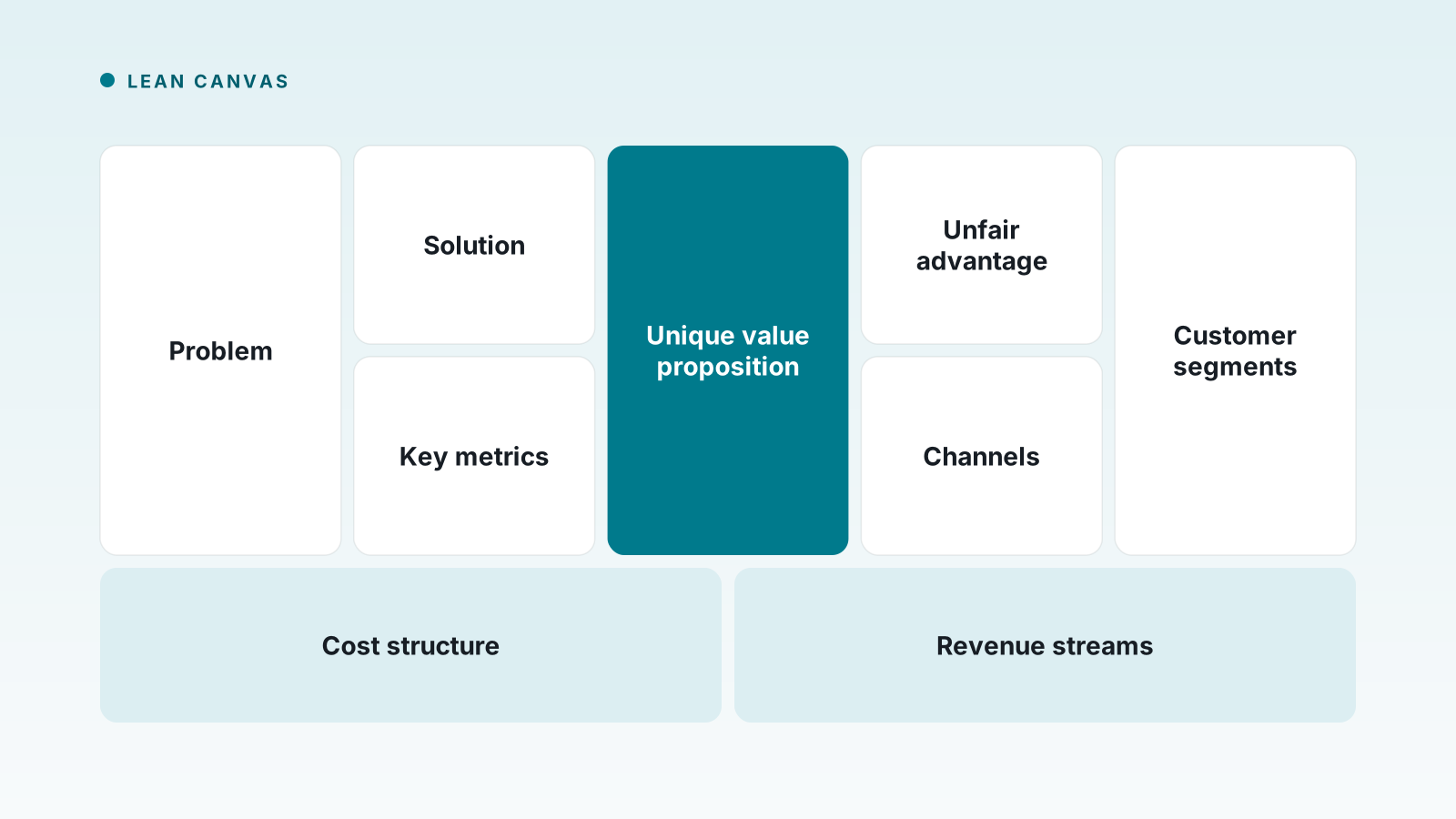
A business plan on one page: the Lean Canvas
Nine boxes, fifteen minutes, one page. The Lean Canvas is the fastest way to find out whether you can explain your own business.
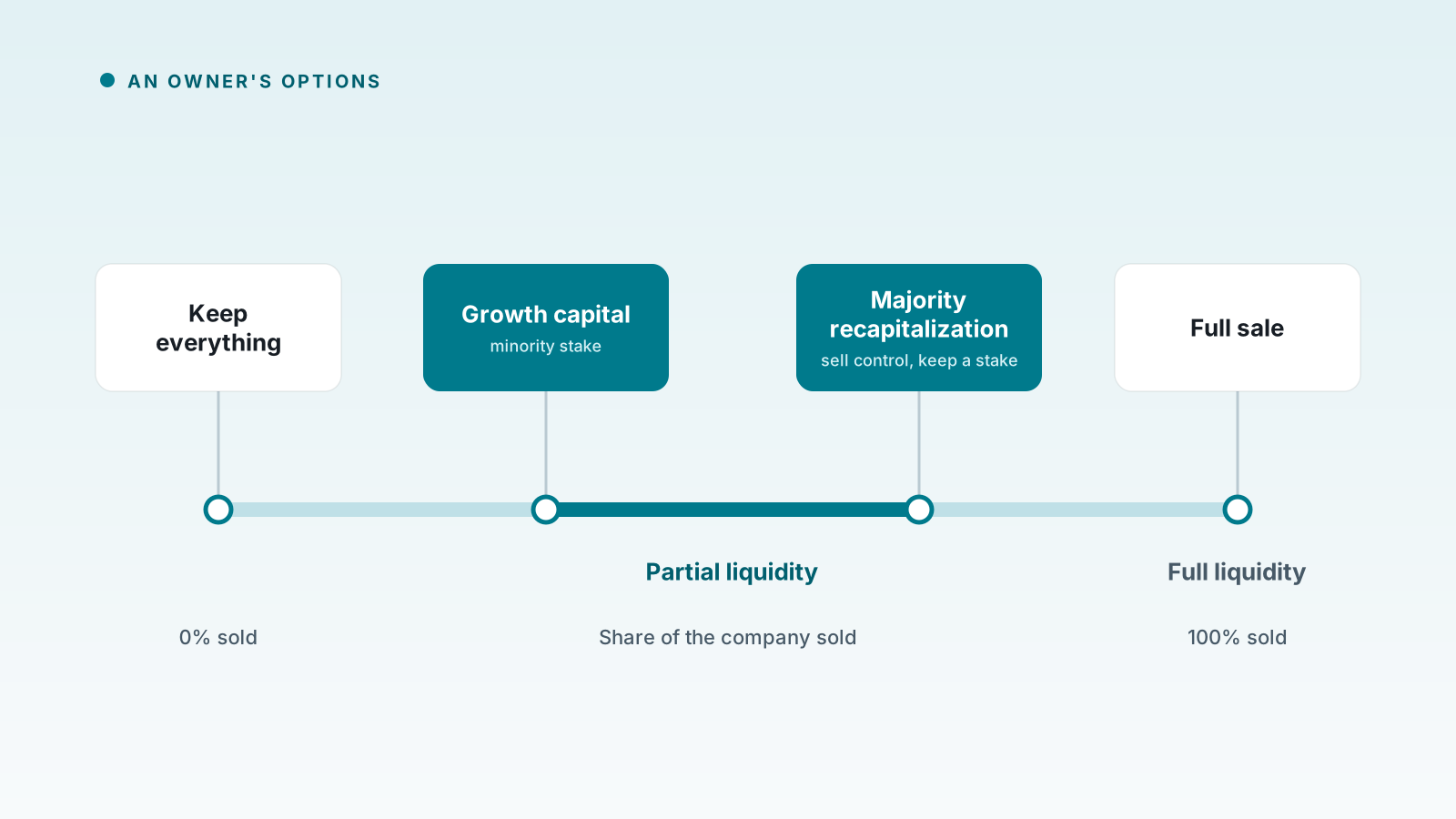
Full or partial liquidity: an owner's options
Selling is not all or nothing. Between keeping everything and selling everything sit several structures, each built for a different goal.
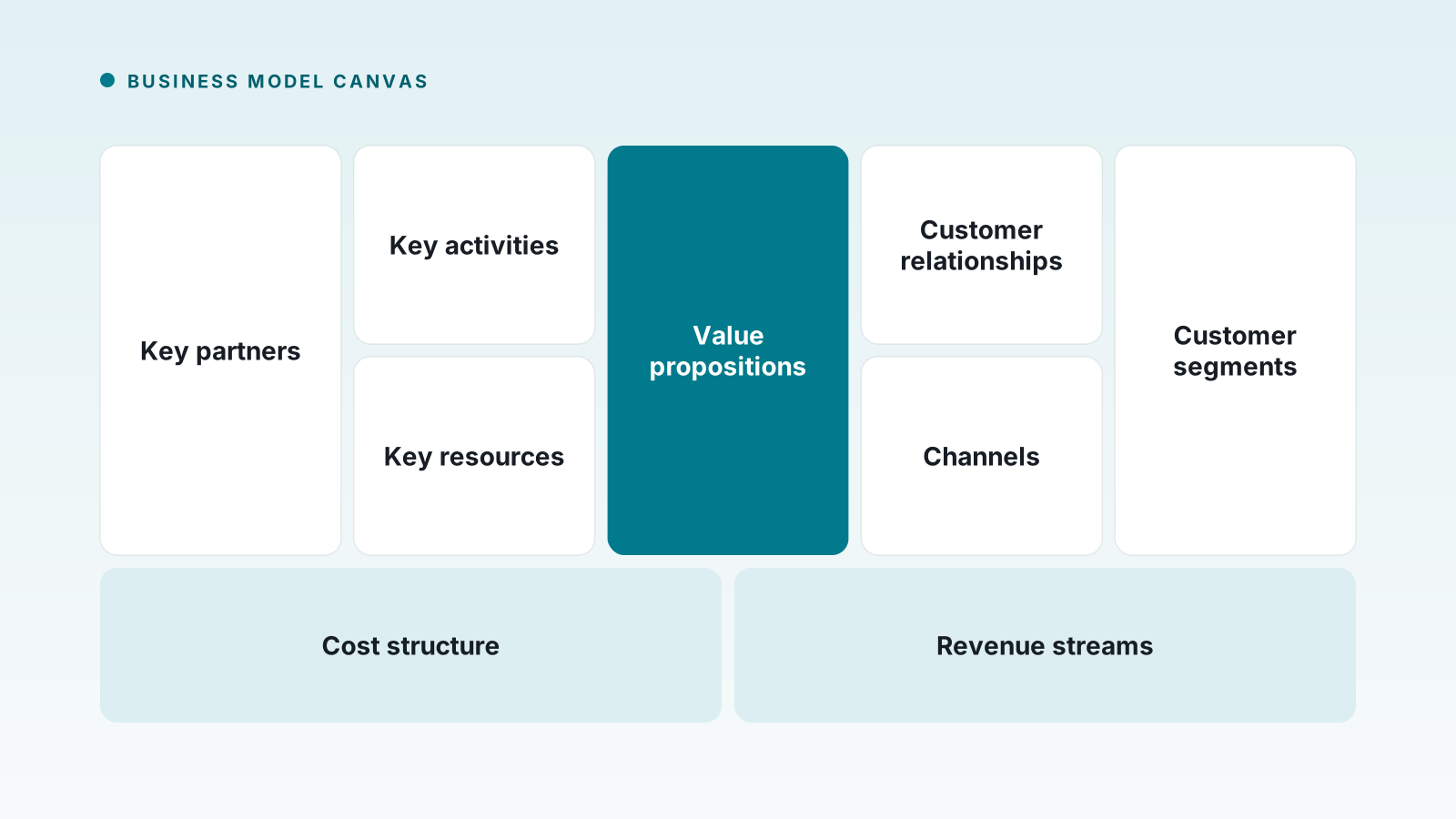
The Business Model Canvas: how a company makes money, on one sheet
Nine building blocks that show who you serve, what you give them, how you deliver it and whether the numbers work.
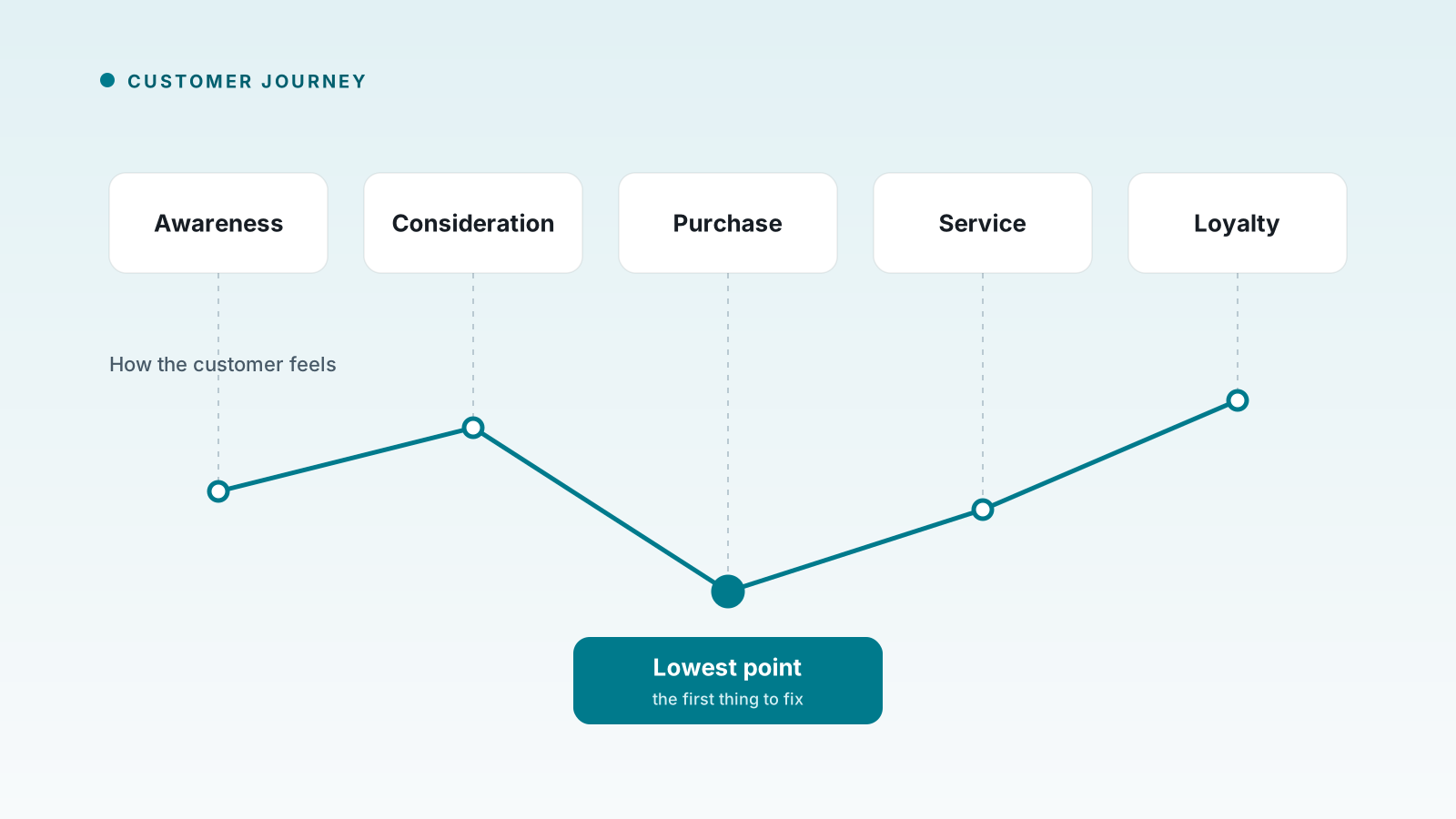
Who's your customer? Personas and journey maps
“Everyone” is not a customer. A persona names who you serve, and a journey map shows where they struggle to buy from you.
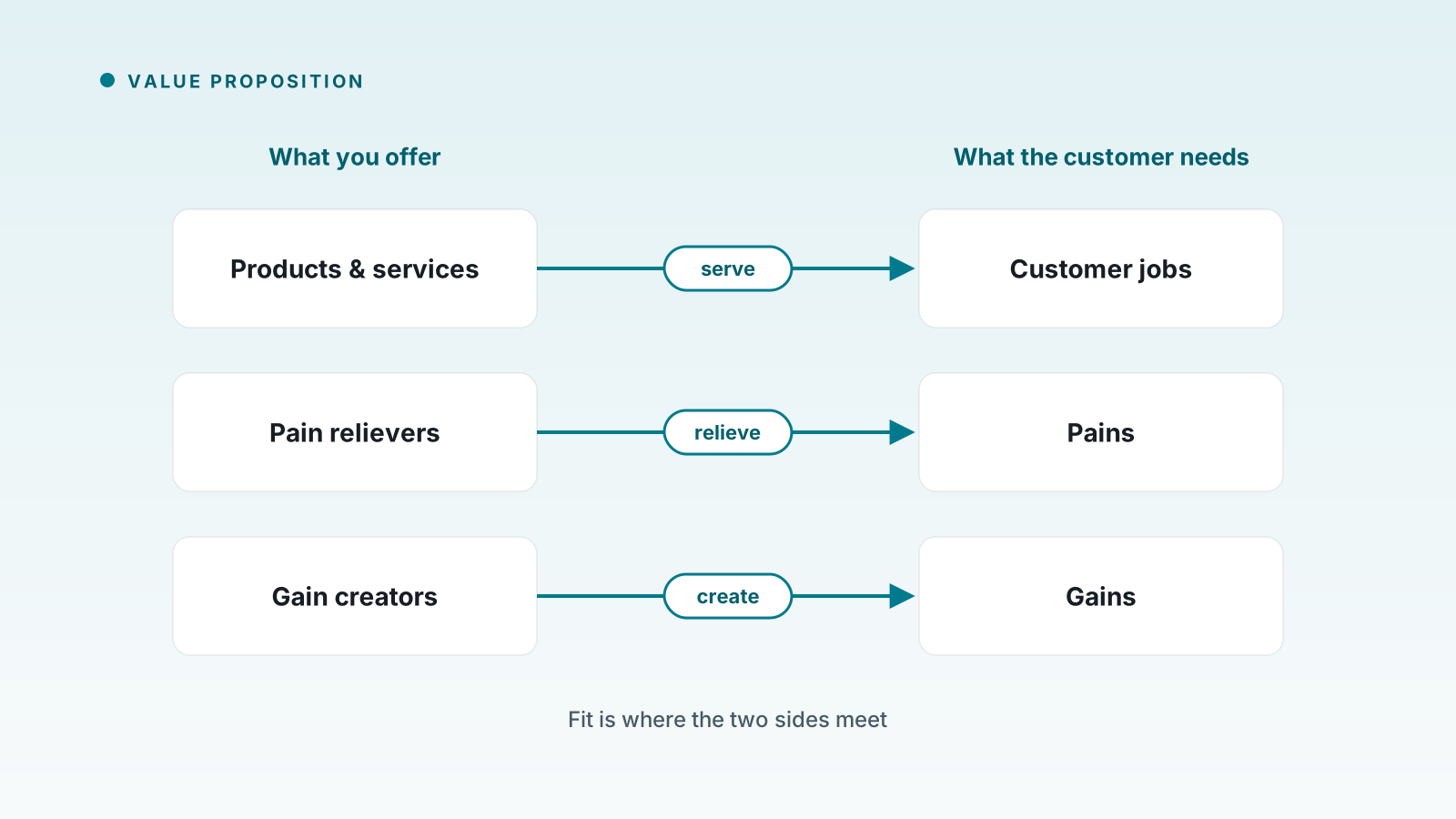
What's your value proposition?
A value proposition is a claim about fit: what your customer is trying to do, and how exactly you make that easier.
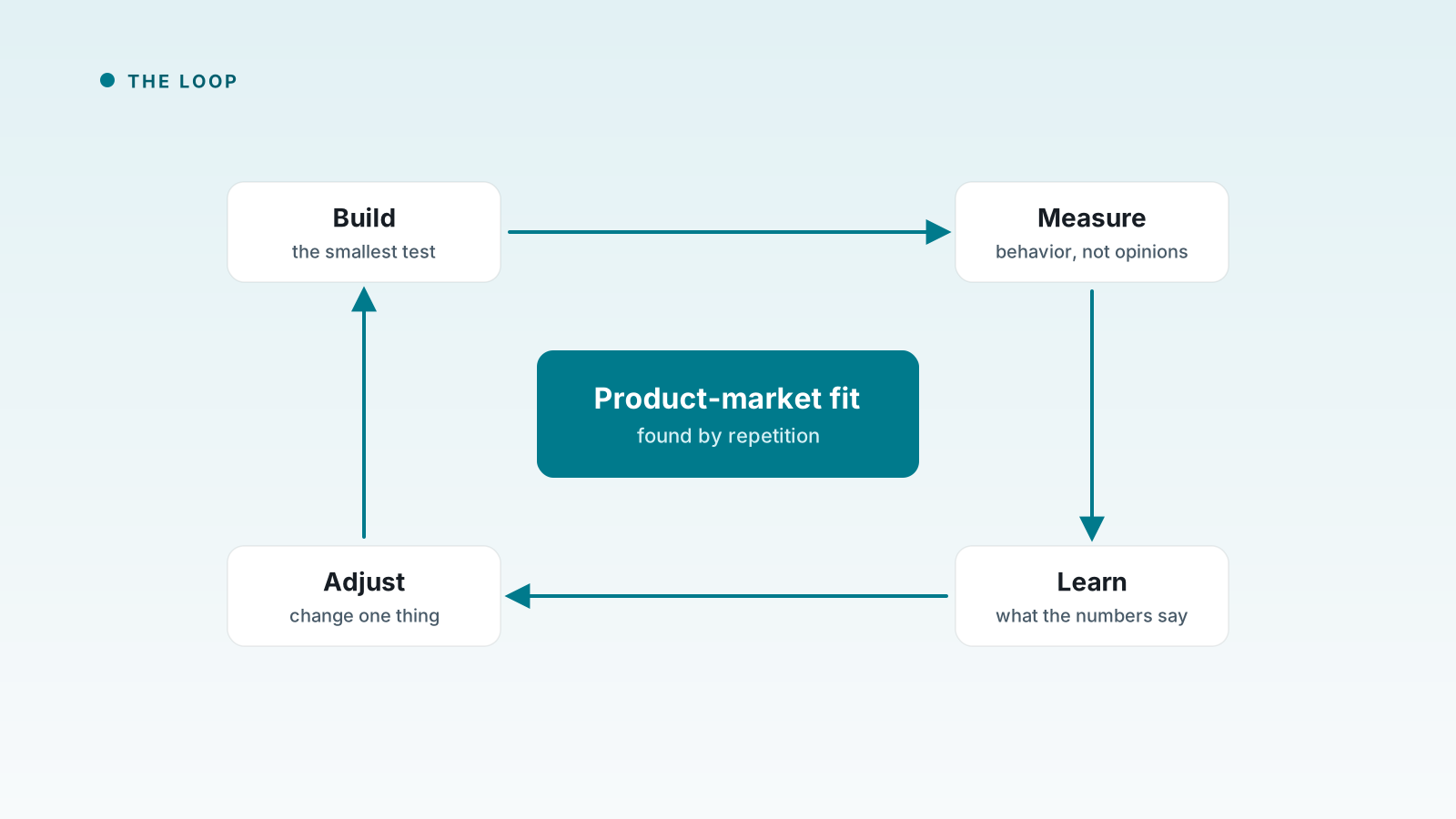
Product-market fit is iterative
Fit is found by repetition: build a little, measure honestly, learn, adjust. The frameworks come from software, but the loop works anywhere.
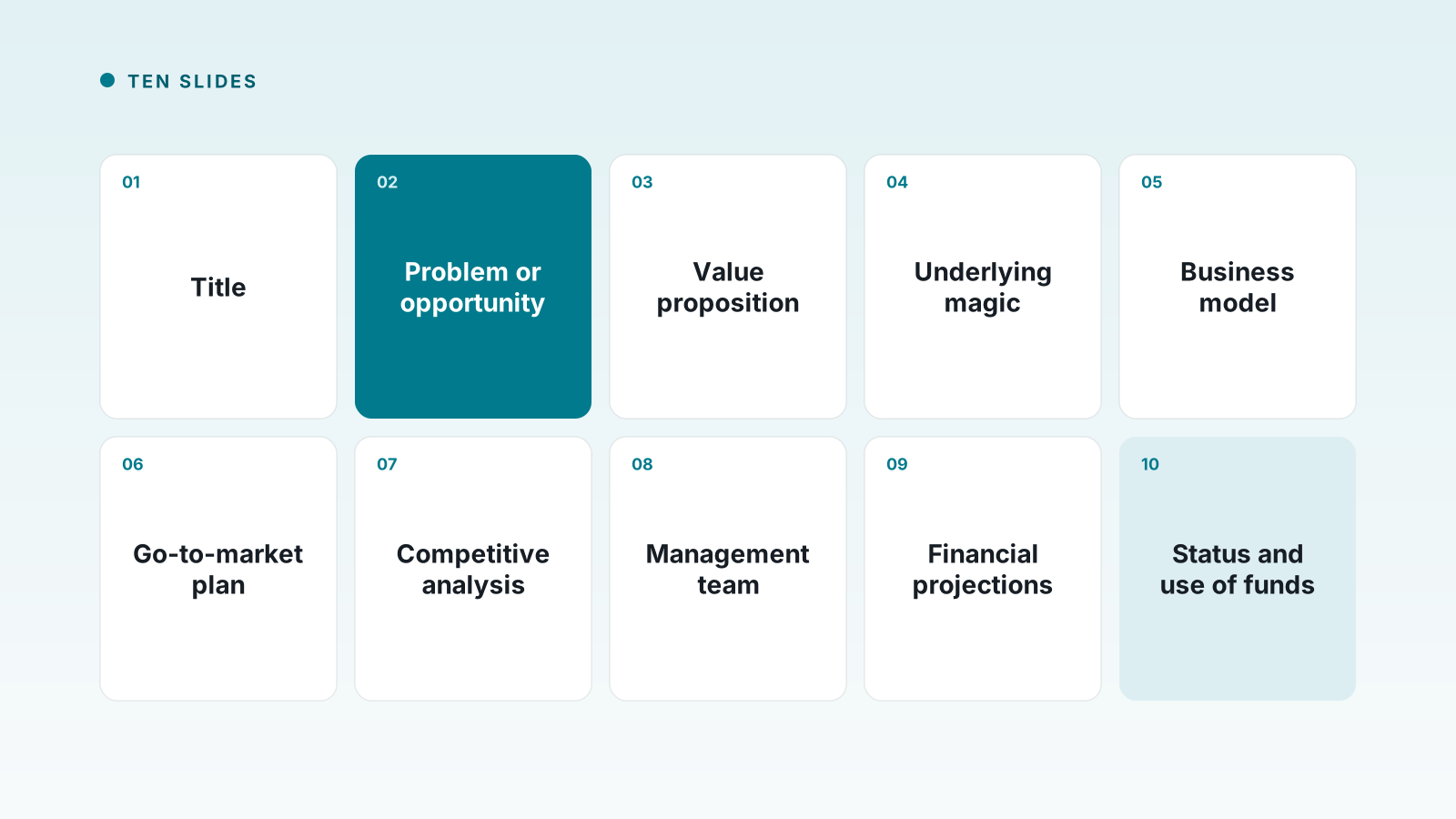
The ten slides a pitch needs
Ten slides is enough to explain a business. Guy Kawasaki's format is simple to describe and hard to do, which is why it works.
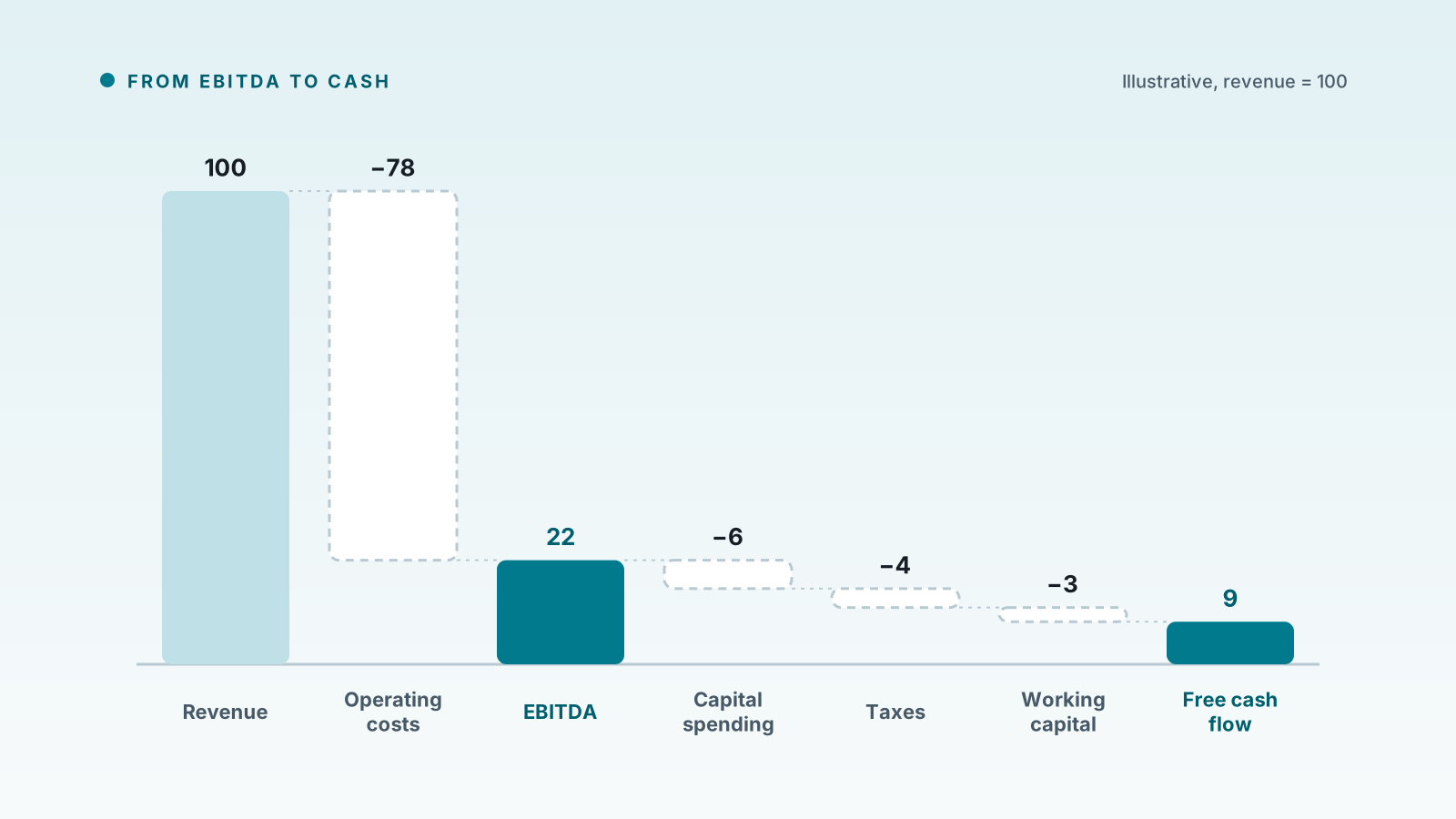
EBITDA and free cash flow in plain terms
EBITDA is the number buyers quote. Free cash flow is the number that pays the bills. Owners should know how one becomes the other.
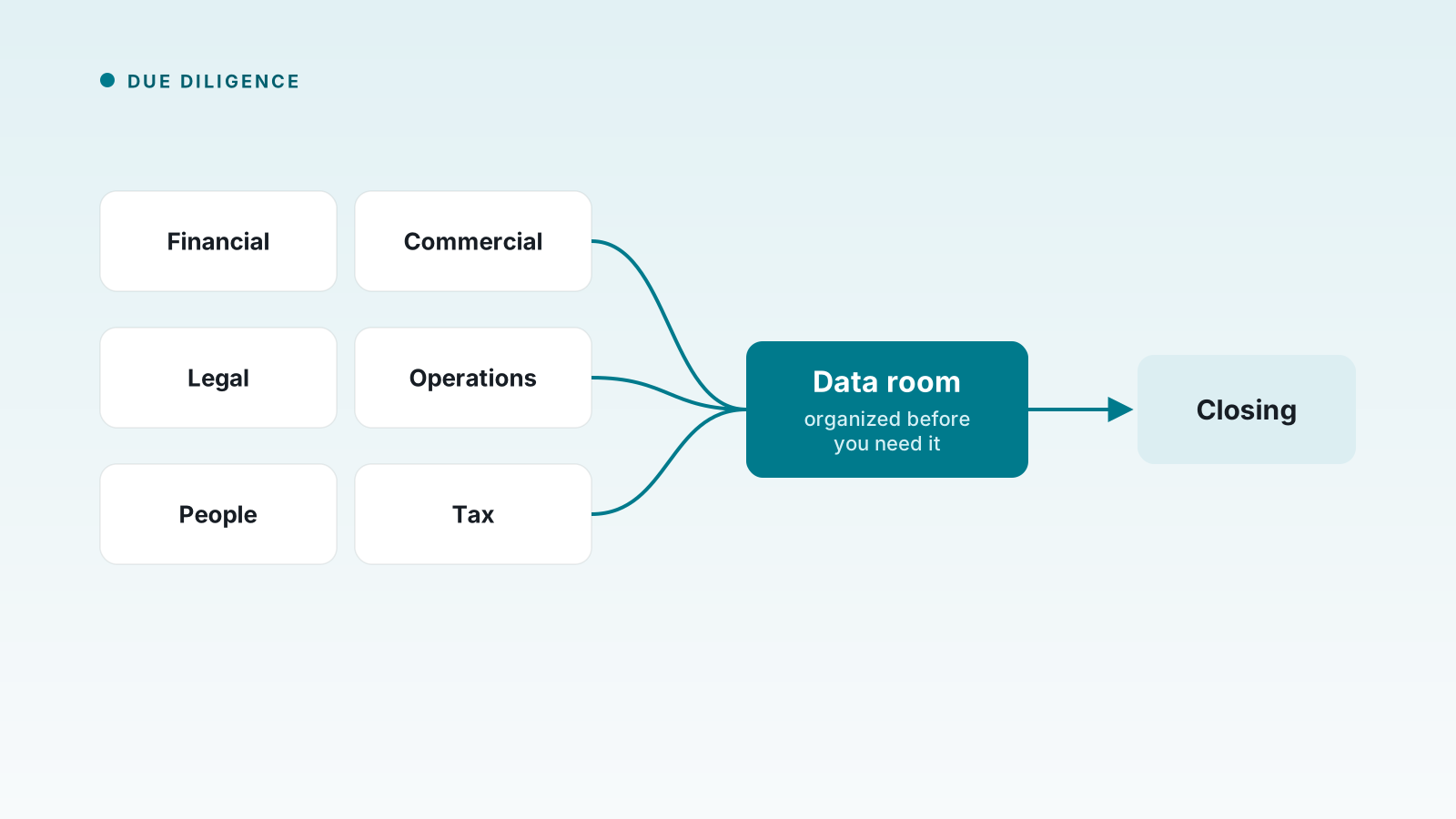
Getting ready for due diligence
Diligence is a buyer checking that the business is what you said it was. Preparation makes it shorter, calmer and less likely to reopen the price.